

Finding Real Edge at the European Roulette Table
Most punters chasing a streak reckon the trick is a system that pays out on cue, but anyone who has spent a few busy afternoons watching tables knows the maths does not care about your hunch. I have spent years tuning acquisition campaigns across global markets, and the same rule applies everywhere: you optimise for conversion quality, not fairy tales. That mindset is exactly how to win at european roulette without blowing your bank on a Tuesday arvo. If you want a clear read on where the edge actually sits, start with a proper breakdown at https://lucky-dream.org/ and treat every spin like a measured decision rather than a punt.
What the game actually rewards
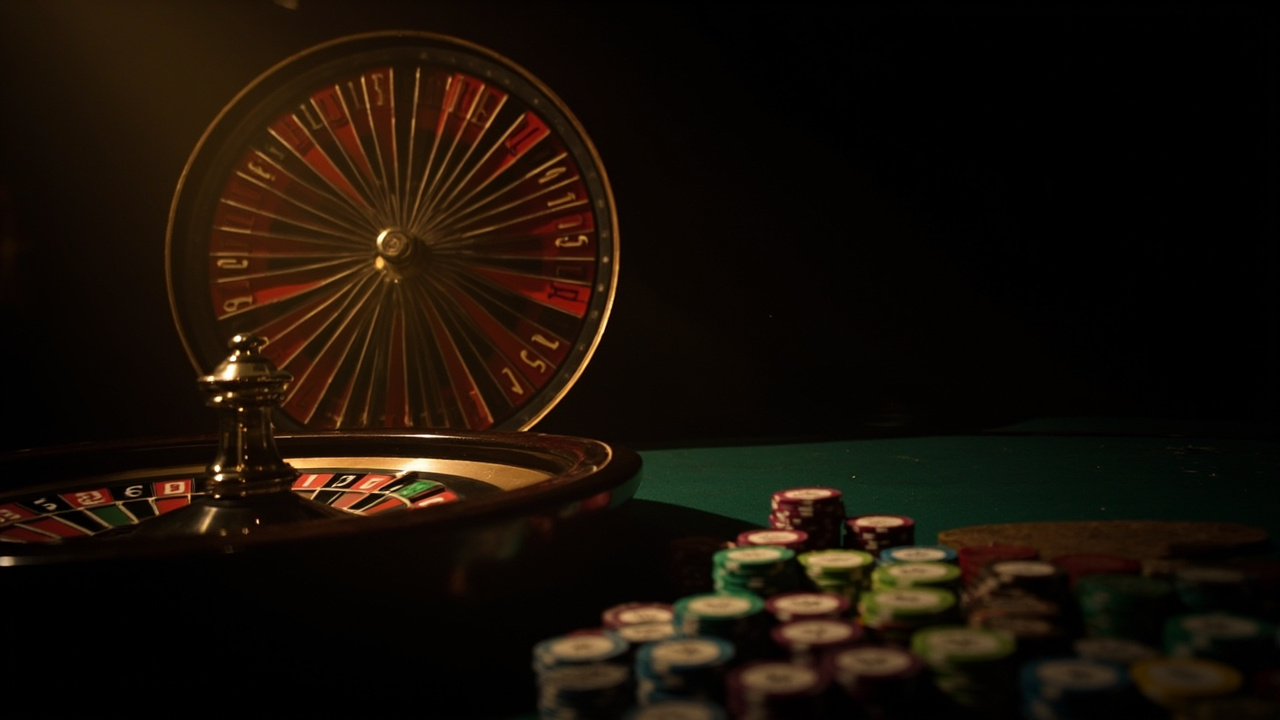
European roulette keeps a single zero on the wheel, which is the whole reason seasoned players prefer it over the double-zero layouts you sometimes see overseas. That one pocket changes the house edge from roughly 5.26 per cent down to about 2.7 per cent, and while no system flips that number on its head, it does mean your bankroll lasts longer when you play smart. The real focus is not chasing a magic sequence; it is managing bet sizing, sticking to outside bets when you want steadier results, and knowing when a session has run its course. I have seen plenty of campaigns fail because the creative promised instant payoff, and the same mistake ruins sessions at the table. You are better off treating each spin as a small, priced decision and protecting your downside before you ever think about the upside.
How to structure your session without chasing losses
Bet sizing and the outside-bet baseline
Start with a stake that lets you comfortably cover a losing run without touching money you meant for rent or groceries. A sensible approach is to keep individual bets small relative to your session bank, then build your base around even-money outside options like red or black, odd or even, and low or high. Those wagers do not payout like a straight number, but they give you a higher hit rate and keep variance under control. When you feel the urge to push harder after a bad patch, that is the exact moment to step back rather than double down on a hunch. The table does not reward stubbornness, and a measured stake plan is the closest thing to a repeatable edge you will find.
Reading variance and knowing when to walk
Variance will throw short streaks at you no matter how disciplined you are, so the skill is recognising when a run is just noise and when it is time to call it a night. Track your session in plain terms: note how many spins you have taken, what your net position looks like, and whether you are still playing within the limits you set before you sat down. If the numbers drift past your comfort line, pack it in and live to fight another day instead of hoping the wheel will suddenly turn friendly. I have run enough performance reports to know that protecting the baseline is what keeps a campaign profitable over time, and the same logic applies when you are putting cash on the felt.
Matching the approach to how you actually play
The right way to approach the table depends on what you want from the session in the first place. If you are after a longer, steadier run with fewer dramatic swings, lean on outside bets, keep your stakes modest, and treat any win as a pleasant bonus rather than a target. If you enjoy the occasional straight-number thrill, cap those higher-payout wagers as a small slice of your total stake so a dry spell does not wipe you out. Either way, the practical fit comes down to discipline, not a secret formula, and that is the honest answer to how to win at european roulette without fooling yourself about the odds.
- Set a session bank before you sit down and treat it as the hard limit.
- Keep individual stakes small enough to survive a normal losing run.
- Use outside bets as your baseline when you want steadier results.
- Cap any straight-number or split wagers as a small, deliberate slice of the session.
- Decide your walk-away point in advance and stick to it when variance turns.
You will not find a system that beats the wheel, but you can absolutely play in a way that keeps the single zero working for your longevity instead of against it. I still think about that first session I watched in a Sydney pub, where a bloke quietly capped his stake, took a decent win on a red run, and walked out before the table turned – no drama, no chasing, just a clean exit. That is the kind of discipline worth copying, because the only real edge is knowing when you have had enough and leaving the table with your head intact.